Titanium has become one of the most important engineering materials in modern industry due to its unique combination of high strength, low density, and excellent corrosion resistance.
Compared with conventional steels, titanium offers significant weight savings while maintaining outstanding mechanical performance. This makes titanium an ideal material for aerospace structures, marine equipment, chemical processing systems, and medical implants.
One of titanium's most valuable characteristics is its exceptional corrosion resistance. The naturally formed oxide layer on the surface protects the material from aggressive environments, including seawater, chlorides, and many industrial chemicals.
Common titanium grades include Commercially Pure Titanium (Grade 1–4) and Ti-6Al-4V (Grade 5), which is widely used in aerospace and high-performance engineering applications.
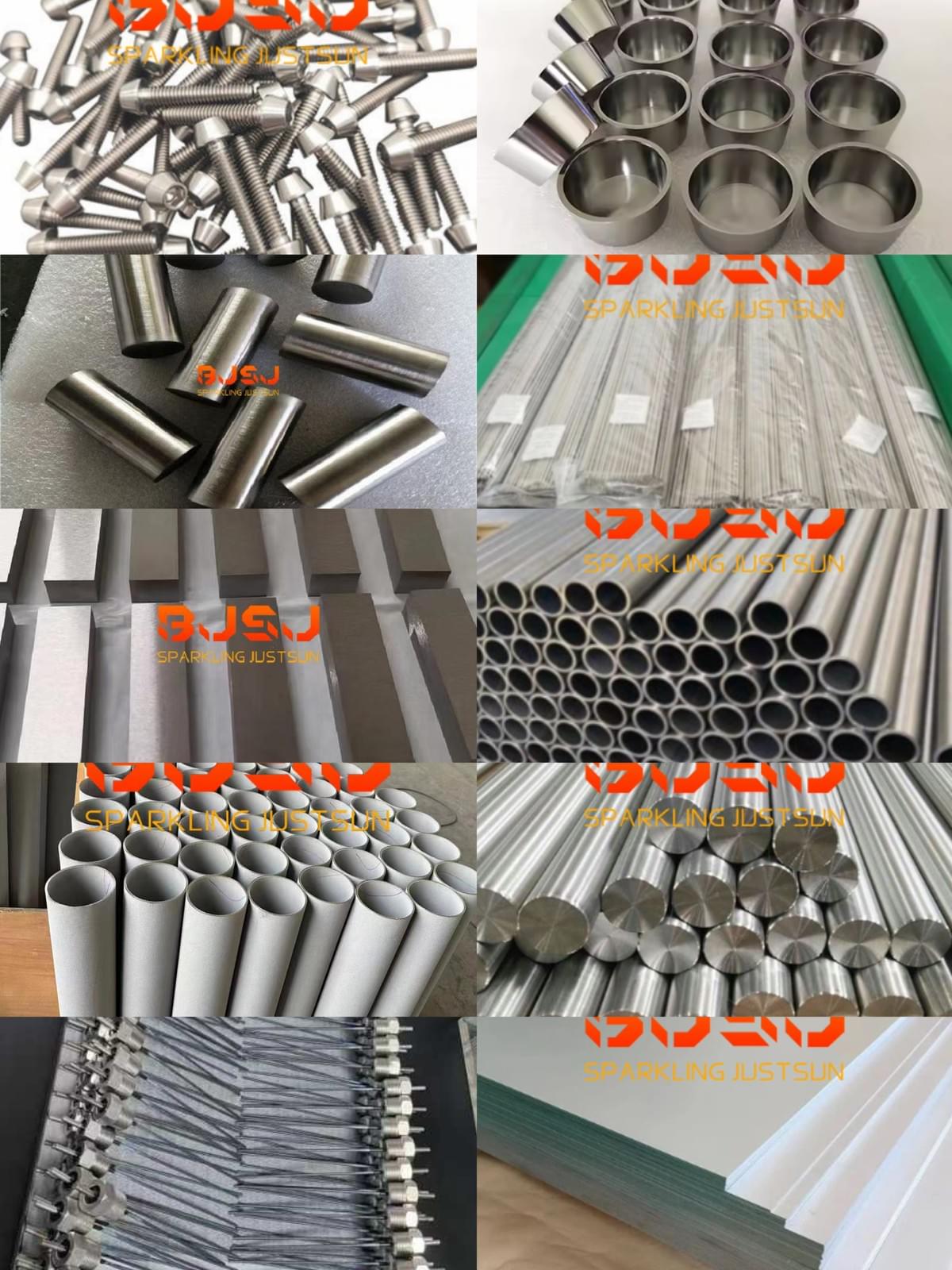
Today, titanium products are available in various forms, including bars, sheets, plates, tubes, wires, forgings, and custom-machined components. As industries continue to pursue lightweight, durable, and sustainable solutions, titanium remains a material of choice for engineers worldwide.